
Immerse yourself in the enchanting world of French wine and vineyard tours, where centuries-old traditions blend seamlessly with modern trends. From the lush vineyards to the exquisite wine tastings, prepare to embark on a journey that tantalizes the senses and uncovers the rich tapestry of French viticulture.
Discover the allure of French wine regions, delve into the art of wine tasting, and savor the culinary delights that perfectly complement the renowned French wines.
Introduction to Wine and Vineyard Tours in France
French wine and vineyard tours offer a unique and captivating experience for wine enthusiasts and travelers alike. The appeal of exploring the picturesque vineyards, tasting world-renowned wines, and learning about the rich history and traditions of winemaking in France is truly unmatched.
France is renowned for its exceptional wine production due to its diverse terroir, which includes varied climates, soils, and grape varieties. This diversity allows winemakers to create a wide range of wines, each with its own distinct characteristics and flavors.
The Significance of Wine Culture in French Society
Wine holds a special place in French society, deeply rooted in the country’s history, art, and cuisine. It is an integral part of French culture, with wine often enjoyed during meals, celebrations, and social gatherings.
Popular Wine Regions in France
France is renowned for its diverse wine regions, each offering unique characteristics and flavors that stem from centuries of winemaking tradition. Below are some of the top wine regions in France for vineyard tours:
Bordeaux
Bordeaux is one of the most famous wine regions in France, known for its prestigious red blends made from grape varieties like Cabernet Sauvignon, Merlot, and Cabernet Franc. The region’s wines are characterized by rich, full-bodied flavors with notes of blackcurrant, cedar, and tobacco. Bordeaux has a long history of winemaking dating back to Roman times, and its vineyards are often classified based on quality.
Burgundy
Burgundy is renowned for its exceptional Pinot Noir and Chardonnay wines, which are highly regarded for their elegance and complexity. The region is divided into distinct sub-regions like Côte de Nuits and Côte de Beaune, each producing wines with unique terroir-driven characteristics. Burgundy’s winemaking traditions date back to the Middle Ages, with many vineyards still following traditional methods.
Champagne
Champagne is synonymous with sparkling wine, produced exclusively in the Champagne region of France. The region’s cool climate and chalky soils create the perfect conditions for growing Chardonnay, Pinot Noir, and Pinot Meunier grapes used in Champagne production. The traditional method of secondary fermentation in the bottle gives Champagne its signature effervescence. Champagne has a rich history dating back to the 17th century and is often associated with celebrations and luxury.
Alsace
Alsace is known for its aromatic white wines, particularly Riesling, Gewürztraminer, and Pinot Gris. The region’s wines are characterized by their vibrant fruit flavors, floral aromas, and crisp acidity. Alsace has a unique winemaking tradition influenced by both French and German cultures, with wines often bottled in slender, flute-shaped bottles. The region’s vineyards have a long history dating back to Roman times.
Wine Tasting Experiences
When visiting vineyards in France, one of the highlights is the wine tasting experience. It allows you to sample a variety of wines while learning about the production process and the unique characteristics of each wine.Explain the process of wine tasting during vineyard tours:
The Process of Wine Tasting
During a wine tasting at a vineyard in France, you will typically be guided through the following steps:
- Visual Inspection: Examine the color and clarity of the wine by holding it against a white background.
- Aroma Evaluation: Swirl the wine in your glass to release its aromas, then take a gentle sniff to identify different scents.
- Taste Analysis: Take a small sip of the wine and let it linger in your mouth to identify flavors and textures.
- Finish Assessment: Note the aftertaste or finish of the wine to determine its length and complexity.
Describe the different types of wines typically sampled:
Types of Wines to Sample
When tasting wines in France, you may come across a variety of wines, including:
- Red Wines: Bordeaux, Burgundy, and Rhône Valley wines are popular choices for sampling.
- White Wines: Chardonnay from Burgundy, Sauvignon Blanc from Loire Valley, and Alsace Rieslings are commonly offered.
- Rosé Wines: Provence is known for its refreshing and fruity rosé wines that are perfect for warm weather.
- Champagne: Sparkling wines from the Champagne region are often included in tastings for a touch of elegance.
Share tips on how to fully appreciate the flavors and aromas of French wines:
Tips for Wine Tasting
To enhance your wine tasting experience in France, consider the following tips:
- Take your time to savor each sip and pay attention to the different notes in the wine.
- Experiment with food pairings to see how they can enhance or complement the flavors of the wine.
- Engage with the winemakers or guides to learn more about the winemaking process and the story behind each wine.
- Use proper glassware and serving temperatures to fully enjoy the aromas and flavors of the wines.
Vineyard Tour Activities
When embarking on wine and vineyard tours in France, visitors can expect a range of engaging activities that offer a deeper insight into the world of winemaking. These experiences go beyond simple wine tasting and allow participants to truly immerse themselves in the culture and tradition of the region.One popular activity during vineyard tours is grape harvesting, where visitors have the opportunity to pick grapes alongside the vineyard workers.
This hands-on experience provides a unique perspective on the hard work and dedication required to produce high-quality wines. It also allows participants to appreciate the labor-intensive process that goes into winemaking.Another exciting activity offered at some vineyards is blending workshops. Here, visitors can try their hand at creating their own wine blends by mixing different grape varieties. Guided by expert winemakers, participants learn about the characteristics of each grape and how they contribute to the overall flavor profile of the wine.
This interactive workshop is not only educational but also a fun and creative way to explore the art of winemaking.One key aspect that influences vineyard tours in France is the concept of terroir. Terroir refers to the unique combination of soil, climate, and topography that gives each wine region its distinct characteristics. During the tours, visitors can learn about how terroir influences the flavors and aromas of the wines produced in that particular region.
Exploring the concept of terroir adds a layer of complexity to the tasting experience and helps participants appreciate the intricacies of French winemaking.
Exploring Terroir in Wine Production
- Terroir encompasses the environmental factors that shape the grapes grown in a specific region.
- Soil composition, altitude, and climate all play a role in defining the unique terroir of a vineyard.
- Understanding terroir is essential for appreciating the diversity of wines produced in different regions of France.
Culinary Experiences and Pairings
In addition to the wine tasting experiences, exploring the culinary aspect of wine tours can elevate the overall journey. Pairing wine with the right food can enhance the flavors and create a memorable gastronomic experience.
Traditional French Dishes
When visiting vineyards in France, you can expect to indulge in traditional French dishes that perfectly complement the wines being tasted. Some popular dishes include:
- Coq au Vin: A classic French dish of chicken braised with wine, mushrooms, and onions.
- Ratatouille: A vegetable stew made with eggplant, zucchini, bell peppers, and tomatoes.
- Boeuf Bourguignon: Beef stew cooked in red wine with carrots, onions, and mushrooms.
Enhancing Wine Tasting with Food Pairings
Pairing wine with the right food can significantly enhance the tasting experience. Here are some tips to make the most of your wine and food pairing:
- Consider the wine’s acidity, sweetness, and body when choosing food pairings.
- Match the intensity of the wine with the richness of the food – light wines with delicate dishes and full-bodied wines with hearty meals.
- Experiment with contrasting flavors – pairing a sweet wine with a savory dish or a crisp white wine with a creamy cheese.
Sustainable Practices in French Vineyards
French vineyards are increasingly adopting sustainable practices to minimize their environmental impact and ensure the longevity of their vineyards. These practices focus on preserving the natural resources, reducing chemical inputs, and promoting biodiversity.
Organic and Biodynamic Viticulture
- Many vineyards in France have transitioned to organic or biodynamic farming methods, eliminating the use of synthetic pesticides and fertilizers.
- Biodynamic practices, such as following lunar cycles and using natural composts, promote soil health and enhance the quality of grapes.
Water Conservation
- Vineyards are implementing water-saving techniques like drip irrigation systems and rainwater harvesting to reduce water usage and prevent soil erosion.
- By monitoring soil moisture levels and vine water needs, vineyard managers can optimize water use and minimize waste.
Biodiversity Promotion
- Planting cover crops between vine rows and preserving natural habitats for beneficial insects help enhance biodiversity in vineyards.
- Some vineyards even keep beehives to promote pollination and support local bee populations.
Waste Management and Recycling
- Vineyards are implementing waste reduction strategies and recycling programs to minimize their environmental footprint.
- By composting grape marc and winery waste, vineyards can reduce landfill waste and create organic fertilizers.
Wine Tourism Trends in France
Wine tourism in France is constantly evolving, influenced by changing consumer preferences, technological advancements, and a growing interest in unique and personalized experiences.
Impact of Technology on Enhancing the Visitor Experience
Technology plays a crucial role in enhancing the visitor experience in wine tourism in France. From online booking platforms and virtual tours to interactive tasting sessions and wine apps, technology allows visitors to engage with vineyards and wineries in new and exciting ways.
Rise of Luxury Wine Tours and Customized Experiences
In recent years, there has been a noticeable rise in luxury wine tours and customized experiences in France. Visitors are seeking exclusive, high-end tours that offer private tastings, gourmet meals, and behind-the-scenes access to renowned vineyards. This trend caters to discerning wine enthusiasts looking for a more personalized and intimate experience.
Comparison with Other Wine Regions
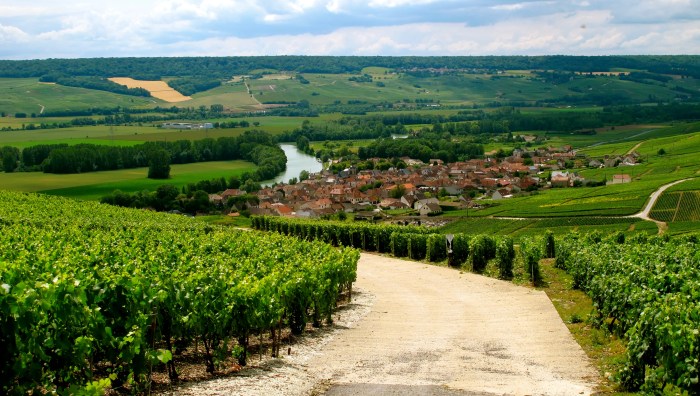
When comparing French wine and vineyard tours with those in other countries, it’s essential to highlight the unique aspects that set French tours apart. France is renowned for its diverse wine regions, each offering distinct terroirs, grape varieties, and winemaking traditions.
Diversity of Wine Regions
France boasts a wide range of wine regions, from the cool climate vineyards of Champagne to the sun-drenched slopes of Provence. Each region produces wines with unique characteristics influenced by factors such as soil composition, climate, and winemaking techniques.
Terroir and Tradition
French winemakers place a strong emphasis on terroir, the unique combination of soil, climate, and topography that gives wines their distinctive flavors. This focus on terroir, combined with centuries-old winemaking traditions, sets French wines apart from those produced in other countries.
Global Wine Varieties
While France is famous for its classic grape varieties like Chardonnay, Cabernet Sauvignon, and Merlot, other countries have also made a name for themselves with unique grape varieties. For example, Italy is known for Sangiovese and Nebbiolo, while Spain produces wines from Tempranillo and Garnacha grapes.
Ending Remarks
As you bid adieu to this virtual tour of Wine and Vineyard Tours in France, may the memories of rolling vineyards and exquisite wines linger, inspiring you to explore the world of French viticulture firsthand. Cheers to new adventures and unforgettable experiences!
FAQ Compilation
What makes French wine tours unique?
French wine tours offer a blend of history, culture, and exquisite wines that reflect the essence of the region’s terroir, creating an unparalleled experience for wine enthusiasts.
Are children allowed on vineyard tours in France?
While some vineyards may have age restrictions, there are family-friendly tours available in France that cater to all ages, providing educational and enjoyable experiences for children as well.
How can I best prepare for a wine tasting in France?
To make the most of your wine tasting experience in France, it’s recommended to familiarize yourself with the basic tasting techniques, keep an open mind to new flavors, and engage with the knowledgeable staff to enhance your understanding of French wines.


