
Wildlife watching in Australia sets the stage for this enthralling narrative, offering readers a glimpse into a story that is rich in detail with casual formal language style and brimming with originality from the outset.
From the iconic Australian animals to the best time for sightings, this guide delves into the heart of Australia’s wildlife wonders, promising a captivating journey for nature enthusiasts.
Introduction to Wildlife Watching in Australia
Australia is home to a wide array of diverse wildlife species, making it a prime destination for wildlife enthusiasts. From iconic marsupials like kangaroos and koalas to unique reptiles such as saltwater crocodiles and colorful bird species, the country offers a rich tapestry of fauna to discover.Wildlife watching activities have gained immense popularity in Australia, attracting both locals and international tourists.
The thrill of spotting rare and endemic species in their natural habitats, coupled with the stunning landscapes that serve as backdrops, makes wildlife watching a truly captivating experience.
Key Locations for Wildlife Watching in Australia
Australia boasts several key locations that are renowned for their wildlife watching opportunities. Some of the top spots include:
- The Great Barrier Reef: Known for its vibrant marine life, including sea turtles, dolphins, and a myriad of colorful fish species.
- Kakadu National Park: Home to a diverse range of wildlife, from saltwater crocodiles and wallabies to a variety of bird species.
- Kangaroo Island: Famous for its population of kangaroos, as well as seals, sea lions, and diverse birdlife.
- Daintree Rainforest: A haven for unique fauna such as tree kangaroos, cassowaries, and a plethora of bird species.
- Tasmania: Known for its Tasmanian devils, wombats, and endemic bird species, providing ample opportunities for wildlife spotting.
Unique Wildlife Encounters
Australia is home to a diverse range of iconic animals that can be observed while wildlife watching. From cuddly koalas to playful kangaroos, the country’s wildlife is truly unique and fascinating.Conservation efforts play a crucial role in protecting Australia’s unique wildlife. With many species facing threats such as habitat loss, climate change, and invasive species, conservation initiatives are essential to ensure the survival of these animals for future generations.
Iconic Australian Animals
- Koalas: These adorable marsupials are known for their fluffy ears and love for eucalyptus leaves.
- Kangaroos: Australia’s most famous marsupial, kangaroos can be spotted hopping around the countryside.
- Emus: These flightless birds are the second-largest bird in the world and can be found roaming the Australian outback.
- Wombats: With their sturdy builds and cute faces, wombats are a favorite among wildlife enthusiasts.
Conservation Significance
Conservation efforts in Australia are crucial for protecting the country’s unique wildlife. By preserving habitats, implementing sustainable practices, and raising awareness, conservationists are working to ensure that future generations can continue to enjoy these incredible animals.
Memorable Wildlife Encounters
One memorable wildlife encounter in Australia was spotting a platypus in the wild. These elusive creatures are known for their duck-like bills and beaver-like tails, making them a rare and special sight for lucky observers.
Best Time and Seasons for Wildlife Watching
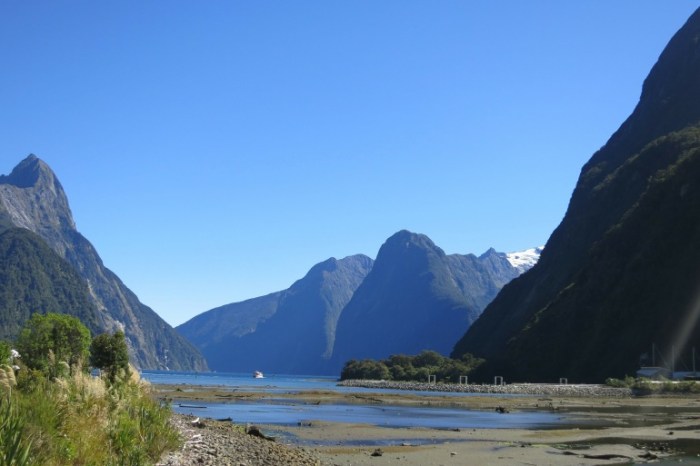
When planning a wildlife watching trip in Australia, it is essential to consider the best time and seasons for optimal wildlife encounters. Different regions of Australia experience varying wildlife activity throughout the year, influenced by seasonal changes.
North Australia (Top End and Kimberley)
In North Australia, particularly in the Top End and Kimberley regions, the best time for wildlife watching is during the dry season from May to October. During this period, wildlife congregates around water sources, making it easier to spot animals such as crocodiles, wallabies, and a variety of bird species.
East Coast (Queensland and New South Wales)
On the East Coast of Australia, including Queensland and New South Wales, the best time for wildlife watching is during the cooler months of autumn and winter (March to August). This is when you can witness the annual humpback whale migration along the coast, as well as see koalas, kangaroos, and various bird species.
South Australia and Victoria
In South Australia and Victoria, wildlife watching is ideal during the spring months of September to November. This is the time when you can see southern right whales along the coast, as well as spot seals, sea lions, and penguins. The native wildlife is also more active during this time.
Western Australia
Western Australia offers excellent wildlife watching opportunities year-round, but the best time is during the spring months from September to November. This is when wildflowers are in bloom, attracting a variety of bird species, and when you can see whale sharks off the coast of Ningaloo Reef.
Tips for Planning a Wildlife Watching Trip
- Research the specific region you plan to visit to determine the best time for wildlife sightings.
- Consider booking guided wildlife tours led by knowledgeable experts for the best chances of spotting wildlife.
- Be prepared for varying weather conditions and pack accordingly, especially during the cooler months.
- Respect wildlife habitats and maintain a safe distance when observing animals in the wild.
Wildlife Watching Activities and Tours
When it comes to wildlife watching in Australia, there are plenty of guided tours available that offer unique experiences and encounters with the country’s diverse wildlife. These tours provide knowledgeable guides, specialized equipment, and access to exclusive locations, enhancing the overall wildlife watching experience.
Popular Guided Wildlife Watching Tours
- Great Barrier Reef Marine Park Wildlife Cruise: This cruise offers the opportunity to see a variety of marine life, including colorful coral reefs, sea turtles, and tropical fish.
- Kangaroo Island Wildlife Discovery Tour: Explore Kangaroo Island and spot kangaroos, koalas, sea lions, and a range of bird species in their natural habitat.
- Daintree Rainforest Night Walk: Experience the unique wildlife of the Daintree Rainforest after dark, with a chance to see nocturnal creatures such as tree kangaroos, possums, and frogs.
Unique Experiences during Wildlife Watching Tours
- Spotting rare and endemic species like the platypus, Tasmanian devil, and quokka in their natural environments.
- Participating in wildlife conservation activities such as turtle monitoring, bird banding, or koala habitat restoration.
- Learning from expert guides about the behaviors, habitats, and conservation efforts related to the wildlife you encounter.
Self-guided Wildlife Watching Options vs Organized Tours
When it comes to wildlife watching, both self-guided options and organized tours have their pros and cons. Self-guided options offer flexibility and independence, allowing you to explore at your own pace and on your own schedule. However, organized tours provide access to knowledgeable guides, specialized equipment, and exclusive locations that may not be available to the general public. Additionally, organized tours often have a higher success rate in spotting wildlife due to the expertise of the guides.
Ultimately, the choice between self-guided and organized tours depends on your preferences, budget, and comfort level in exploring the wilderness.
Wildlife Watching Etiquette
When engaging in wildlife watching activities in Australia, it is crucial to follow responsible practices to protect the animals and their habitats. By practicing proper etiquette, visitors can ensure minimal disturbance to the wildlife and promote sustainable experiences for future generations.
Importance of Responsible Wildlife Watching
- Avoid approaching wildlife too closely, as this can cause stress and disrupt their natural behavior.
- Do not feed the animals, as it can alter their diet and reliance on human food.
- Respect the natural environment by staying on designated paths and not littering.
- Keep noise levels to a minimum to prevent scaring away the wildlife.
Minimizing Disturbance to Wildlife
- Use binoculars or a camera with a zoom lens to observe animals from a safe distance.
- Avoid sudden movements or loud noises that could startle the wildlife.
- Stay quiet and patient to allow the animals to feel comfortable in your presence.
- Observe from a distance and never try to touch or interact with the animals.
Role of Ecotourism in Wildlife Watching
- Ecotourism promotes sustainable practices that benefit both the wildlife and local communities.
- By supporting ecotourism initiatives, visitors can contribute to conservation efforts and habitat protection.
- Choose wildlife watching tours and activities that prioritize environmental education and wildlife conservation.
- Respect the guidelines set by ecotourism operators to ensure a positive impact on the environment.
Wildlife Photography Tips
Capturing stunning wildlife photographs during a watching trip can be a rewarding experience, providing lasting memories of your encounters with Australia’s unique wildlife. To ensure you make the most of your wildlife photography opportunities, here are some tips to keep in mind:
Best Camera Equipment and Settings
- Invest in a telephoto lens to capture detailed shots of wildlife from a distance.
- Use a fast shutter speed to freeze the movement of animals in action.
- Adjust your camera settings to prioritize aperture for a shallow depth of field, creating a blurred background that highlights the subject.
- Consider using a tripod or monopod to stabilize your camera for sharp images, especially in low light conditions.
Techniques for Photographing Wildlife in their Natural Habitat
- Blend in with your surroundings to avoid startling wildlife and capture natural behavior.
- Patiently observe animal movements and anticipate their actions to get the perfect shot.
- Familiarize yourself with the behavior of different species to know when and where to find them for the best photo opportunities.
- Experiment with different angles and perspectives to create visually interesting compositions.
Indigenous Perspectives on Wildlife
Indigenous Australian communities have a deep connection to the wildlife that inhabits the land. Animals play a significant role in their cultural beliefs, stories, and traditions, making them an integral part of their identity and spirituality.
Cultural Significance of Wildlife
- Wildlife is often seen as totems or spiritual ancestors in Indigenous cultures, representing a connection to the land and the Dreamtime.
- Animals are central to traditional ceremonies, dances, and songs, symbolizing important values and teachings.
- Respect for wildlife is ingrained in Indigenous beliefs, with strict rules and rituals surrounding interactions with animals.
Traditional Knowledge and Stories
- Indigenous communities possess a wealth of knowledge about native Australian animals, including their behaviors, habitats, and medicinal uses.
- Dreaming stories passed down through generations explain the origins of different animals and their significance in the cultural landscape.
- Traditional practices such as bush tucker hunting and tracking rely on a deep understanding of the behavior and ecology of wildlife.
Indigenous-led Wildlife Watching Tours
- Many Indigenous-owned tour operators offer unique wildlife watching experiences that combine traditional storytelling with conservation efforts.
- These tours provide insight into the cultural importance of animals and the role they play in sustaining Indigenous communities.
- Visitors have the opportunity to learn from Indigenous guides about the spiritual and ecological significance of wildlife in the local area.
Conservation and Environmental Impact
Wildlife watching plays a crucial role in promoting conservation efforts in Australia by raising awareness about the importance of protecting native species and their habitats. This form of ecotourism can generate funds for conservation projects, support local communities, and foster a sense of appreciation for the natural world.
Role of Wildlife Watching in Conservation
- By showcasing unique wildlife encounters, tourists are more likely to develop a connection with the environment and become advocates for conservation.
- Revenue generated from wildlife watching tours can be channeled into conservation programs aimed at protecting endangered species and preserving ecosystems.
- Through education and interpretation provided during wildlife tours, visitors gain a deeper understanding of the challenges facing Australian wildlife and the importance of conservation efforts.
Environmental Impact of Increasing Tourism
- As wildlife tourism grows in popularity, there is a risk of habitat disturbance and fragmentation, which can negatively impact the behavior and survival of native species.
- Overcrowding at popular wildlife watching sites can lead to stress for animals, altering their natural behaviors and disrupting breeding patterns.
- Increased foot traffic and infrastructure development in sensitive habitats can result in pollution, habitat degradation, and the introduction of invasive species.
Initiatives for Sustainable Wildlife Tourism
- The Australian Wildlife Journeys initiative promotes responsible wildlife tourism experiences that prioritize animal welfare, conservation, and sustainable practices.
- Organizations like Ecotourism Australia certify operators that demonstrate a commitment to environmental sustainability and ethical wildlife interactions.
- Collaborative efforts between government agencies, conservation groups, and local communities aim to develop guidelines and regulations to ensure the long-term viability of wildlife tourism in Australia.
Final Conclusion
As the sun sets on this exploration of wildlife watching in Australia, one thing is clear – the country’s biodiversity and conservation efforts make it a must-visit destination for wildlife lovers worldwide.
FAQs
What are some unique wildlife encounters to look forward to in Australia?
Visitors can expect to see iconic animals like kangaroos, koalas, and platypuses in their natural habitats, providing unforgettable experiences.
When is the best time to plan a wildlife watching trip in Australia?
Optimal seasons vary by region, but generally, spring and autumn offer pleasant weather and increased wildlife activity for a rewarding experience.
How can visitors practice responsible wildlife watching in Australia?
It is important to follow guidelines, maintain a safe distance, avoid feeding animals, and respect their natural behavior to minimize disturbance.
What is the significance of Indigenous perspectives on wildlife in Australia?
Indigenous communities hold deep cultural connections to wildlife, offering unique insights into traditional knowledge and stories passed down through generations.
How does wildlife watching contribute to conservation efforts in Australia?
By raising awareness and supporting eco-friendly practices, wildlife watching plays a crucial role in preserving Australia’s diverse ecosystems and endangered species.


